Pet Memorial Gifts for Children: Helping Kids Remember
When a pet dies, a child grieves someone they loved. A pet memorial gift honors that bond and gives the child something they can keep close—a tangible way to remember play, comfort, and companionship. The right gift acknowledges what the pet meant, without rushing the child's feelings.
What Makes a Good Pet Memorial Gift for a Child
A meaningful pet memorial fits the child's age, their personality, and how they like to remember. Some children want to see the pet's name every day on a shelf or wall. Others prefer something they can hold—a small keepsake or a piece of jewelry. The best gifts are:
- Personal. The child's pet had a unique name and story. A gift that includes that name feels like it's truly theirs.
- Gentle. A child doesn't need to feel pushed to grieve. A quiet, beautiful object lets them approach it when they're ready.
- Lasting. Something made well, not trendy, so the child can keep it as long as they want.
Avoid gifts that try to "fix" grief or suggest the child should "move on." Instead, choose something that says: This pet mattered. We remember.
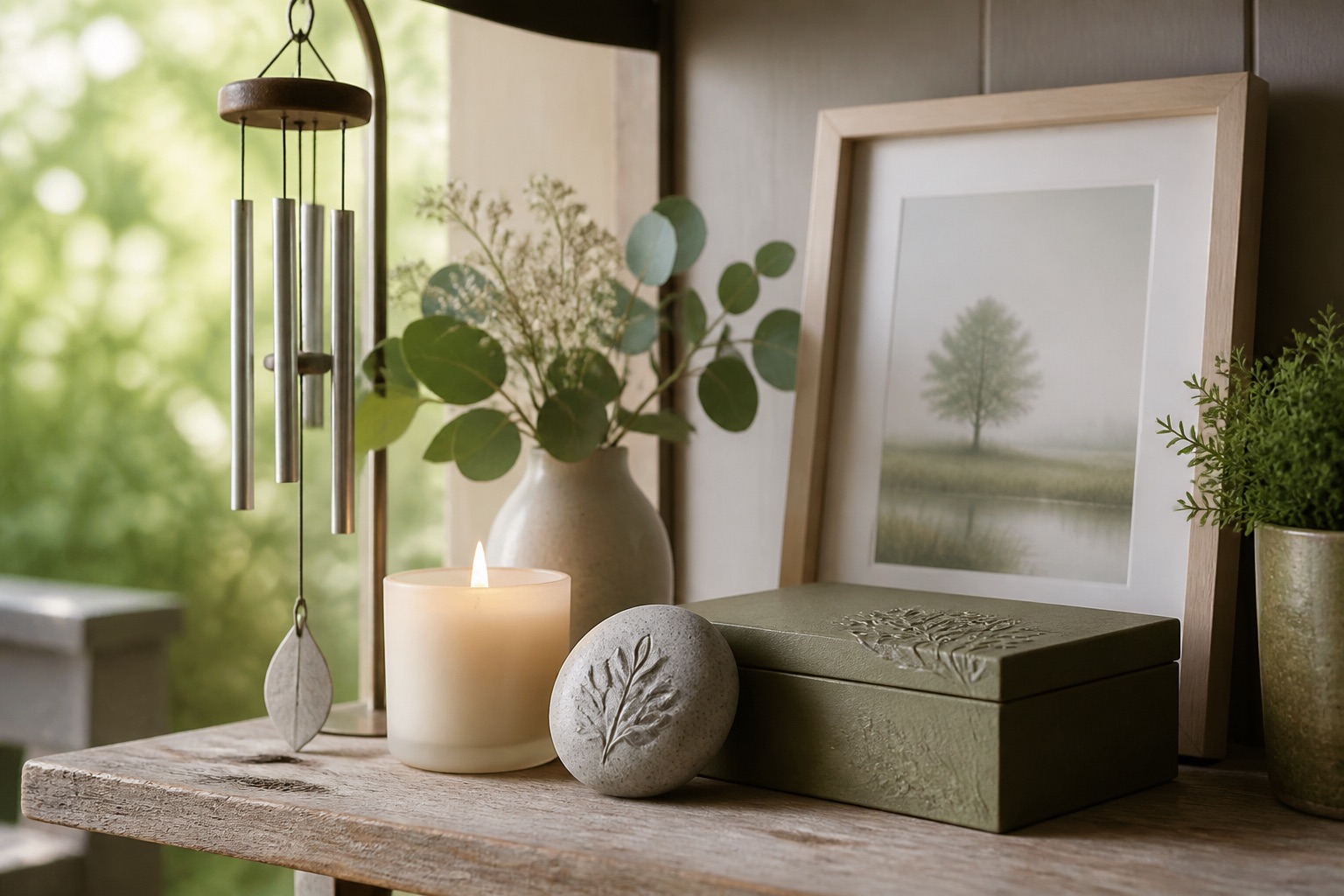
Engraved Keepsake Boxes and Wooden Trinket Holders
An engraved keepsake box is a small, sturdy place to hold a pet's collar, a tuft of fur, a photo, or a drawing the child made. You can personalize it with:
- The pet's name and years (e.g., "Lucky 2018–2025")
- A short phrase ("Forever in our hearts")
- The child's initials or the family name
These boxes are made to order, so you can see a proof (the design mock-up) before it's engraved. They arrive ready to use—no assembly—and they're sized for a desk, shelf, or bedside table. Because they're handcrafted, they feel like a real keeper, not something disposable.
Wind Chimes: A Sound to Remember
Some families choose a memorial wind chime that hangs outside or in a window. Every time the breeze moves it, the child hears a gentle sound and may think of their pet. You can personalize it with the pet's name or a date.
Wind chimes work well for children who like:
- Something they can experience with their senses (sight and sound).
- A daily, natural reminder without having to "try" to remember.
- A way to include the pet in family moments (morning light, breezy days).
A chime is also a gift the whole family can share—siblings, parents, and grandparents all benefit from the reminder.
Garden Stones and Outdoor Memorials
If your family has a garden or backyard, a personalized memorial stone creates a quiet outdoor space dedicated to the pet. Children can visit the stone, sit nearby, or leave flowers. You can engrave:
- The pet's name and dates
- A favorite phrase or emoji
- "Beloved [pet type]" or "Our friend"
Stones are durable and weather-proof, so they last years without fading. They're especially meaningful for families who spend time outdoors.
| Gift Type | Best For | Why It Works |
|---|---|---|
| Engraved keepsake box | Holding small treasures (collar, photos) | Child can open it anytime they want to remember |
| Memorial wind chime | Daily, sensory reminder | Gentle sound becomes part of home |
| Garden stone | Outdoor gathering space | Physical place to honor the pet; lasts decades |
| Memorial ornament | Annual ritual | Child hangs it every holiday season |
| Cremation jewelry (if applicable) | Older children; private keepsake | Worn close to heart; very personal |
Ornaments: An Annual Ritual
A memorial ornament is a smaller, seasonal gift. Each year when the child decorates the tree, they place the ornament—a quiet ritual that brings the memory back. You can engrave the pet's name, a date, or a small icon (a paw print, a heart).
Ornaments work for:
- Families who gather around holidays
- Children who like yearly traditions
- Homes where a tree or decoration ritual matters
Over time, the ornament becomes part of the family's seasonal story.
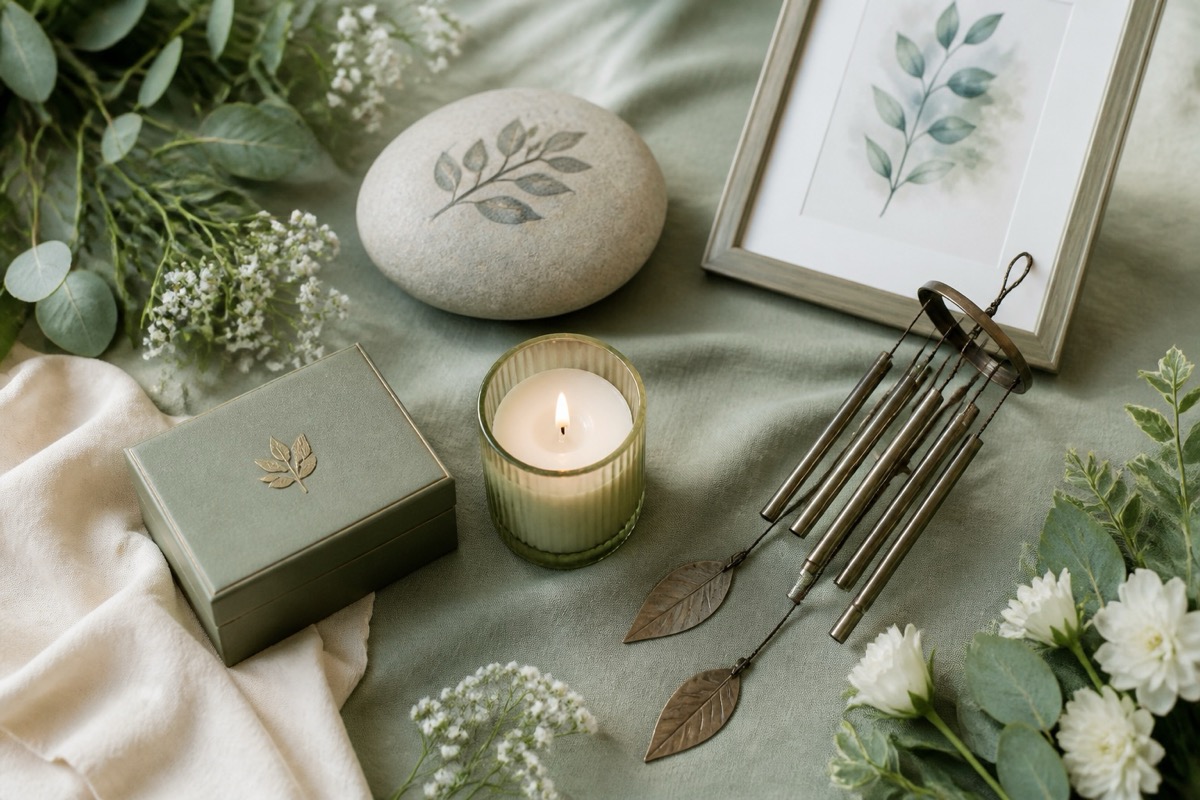
Younger vs. Older Children: What to Consider
Ages 4–7: A younger child may respond better to something colorful or tactile—a wind chime they can watch and hear, or a small box they can open. Avoid complex text; keep any engraving to the pet's name and maybe a year.
Ages 8–12: This age often appreciates details and choices. They might want to pick the color or design. An engraved box, stone, or ornament with a longer phrase ("Bailey's cuddles, 2015–2025") feels more personal.
Ages 13+: Older children and teens may prefer something they can wear (like cremation jewelry) or keep private, or something beautiful for a bedroom or locker.
Always ask the child what would feel right to them—or ask their parent if the gift is a surprise.
What to Check Before You Order
Before you place an order, confirm these details with the person who will receive the gift:
- Pet's name. Spelling matters. Is it "Max" or "Macs"? "Bailey" or "Bailie"?
- Dates. Birth year and year passed (or full birth date if the gift allows).
- Size. Know where the gift will go. A garden stone is larger than a keepsake box. Check dimensions on the product page.
- Personalization options. Each product allows different text. Review the personalization guide to see what fits.
- Timing. Made-to-order gifts take 2–5 business days to produce, plus 2–5 business days to ship within the US (5–10 days to the UK/EU). Plan ahead.
- Proof review. Before engraving begins, you'll see a proof. Check spelling and layout carefully.
Why Keepsake Grove for Pet Memorials
Keepsake Grove specializes in handcrafted, made-to-order memorial gifts. Every piece is:
- Personalized for you. Not mass-produced; made with care and checked before it ships.
- Honest about what it is. We don't claim a gift will "heal" grief. It's a keepsake—a way to hold the memory close.
- Built to last. Materials are chosen for durability, so the gift feels as permanent as the child's love for their pet.
Because each order is made to order, you also have control. You see the design before it's finalized, and you can include a handwritten card if you'd like to add your own words.
Moving Forward
A pet memorial gift is not about "getting over" loss. It's about keeping a beloved animal's memory alive in a way that feels natural and true. For a child, that might mean a chime they hear in the garden, a stone they visit, an ornament they hang each year, or a small box holding treasures from their friendship with their pet.
Start by thinking about what would matter most to this child—something they'll reach for, or something that will reach them—and then choose the form that fits.
---
Frequently asked questions
Can I personalize a pet memorial gift with a photo?
Most of our engraved gifts (boxes, stones, chimes) use text and simple designs, not photos. However, you can place a printed photo inside a keepsake box, or display a photo nearby to pair with the memorial gift. See our personalization guide for details on what each product allows.
How old should a child be to receive a memorial gift?
There's no set age. Even young children (ages 4–5) understand that a beloved pet is gone. The gift should match the child's maturity level. A younger child might like a wind chime or small box; an older child, an ornament or piece of jewelry. A parent or guardian is usually the best judge.
What if I'm not sure what the child would want?
Ask the child's parent or caregiver, or use our gift finder to narrow options by age and preference. You can also choose a simpler design (name + dates only) so it feels less overwhelming and more timeless.
How long does it take to receive a pet memorial gift?
Made-to-order production takes 2–5 business days; US shipping is 2–5 business days (free over $50; see shipping details). International (UK/EU) shipping takes 5–10 business days. Plan 3–4 weeks total for a handmade, personalized order.
Can I include a handwritten card with the order?
Yes. A handwritten card can be included with most orders—a place to write your own words about the pet or for the child. This often means as much as the gift itself. Check the product page or contact us via FAQ for card options.
What if I make a spelling mistake on the order?
You'll see a proof before engraving or printing begins. If you spot an error, let us know immediately, and we can correct it. This is why the proof step is built in—to catch mistakes before they're permanent.